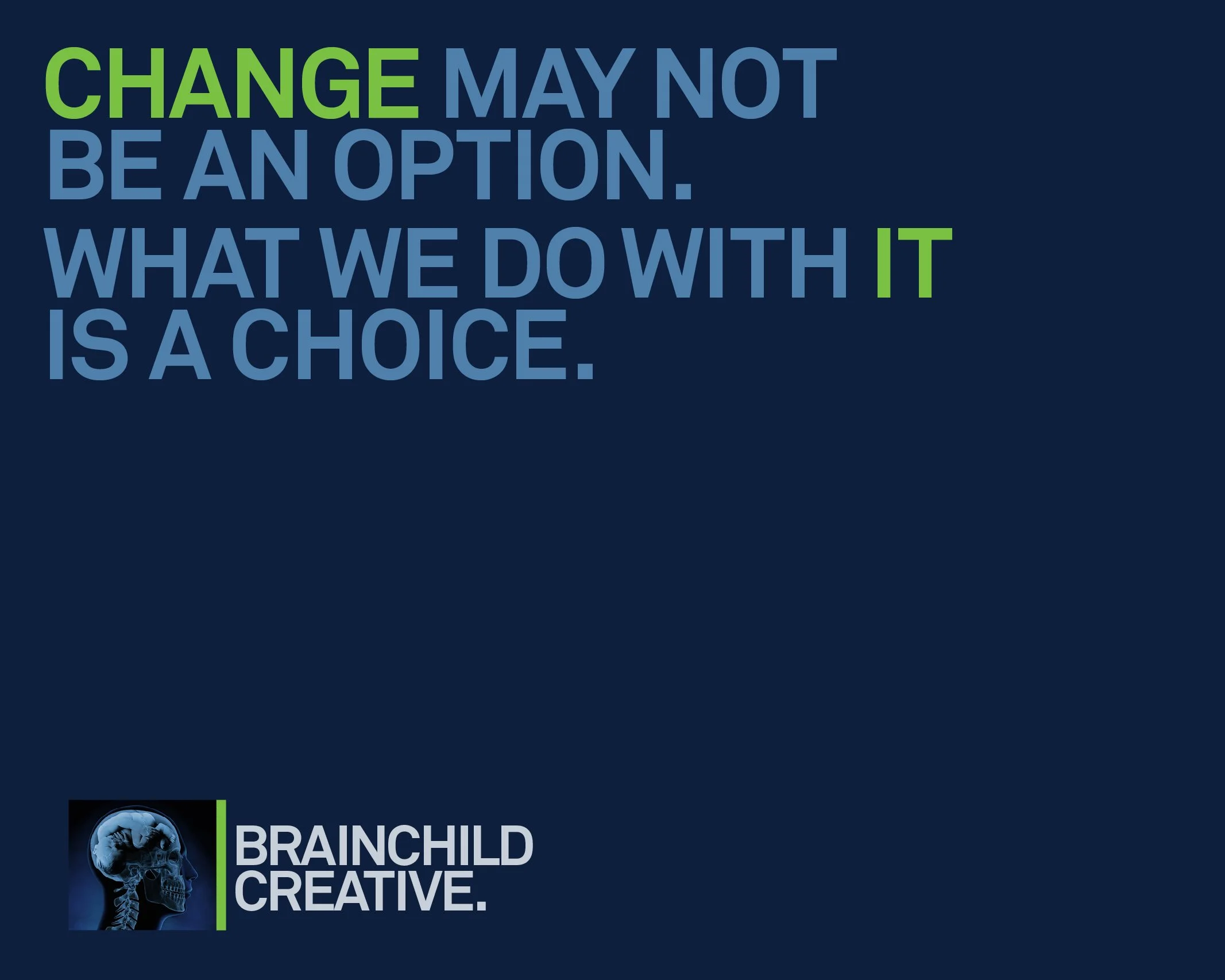
Change is choice.
Last Sunday, while floating on a relatively windless New England sound and listening to the sails idly flapping, my wife accused me of always drifting toward the dark and gloomy side when writing these posts.
When I asked what she meant, she alluded to the way I natter on about advertising’s rose-colored past and how, back in the proverbial, clients and agencies aimed higher, showed more passion about the work, were fiercer and more relentless in the pursuit of great.
I, of course, replied with the highest level of emotional maturity.
“Do not,” I said, sticking out my tongue.
“Do so,” she replied, making a face.
But here, in the quiet confines of our very private conversation, I will admit to this much: not only do I tend to view the present follies in somewhat dour terms, but I also read and follow others who, like me, are more past-pluperfect in their states of mind than future-full-of-who-knows-what.
If you’re reading this, chances are good you’re in much the same boat.
As a result, we’re both familiar with George’s Ad Aged rants, Gregg’s “brilliant advertising, how I miss you so,” Brian’s seemingly endless rollout of brilliant long-ago DDB ads for VW, Dave’s interviews with (still) living legends and, well, the list goes on.
So what say we change it up?
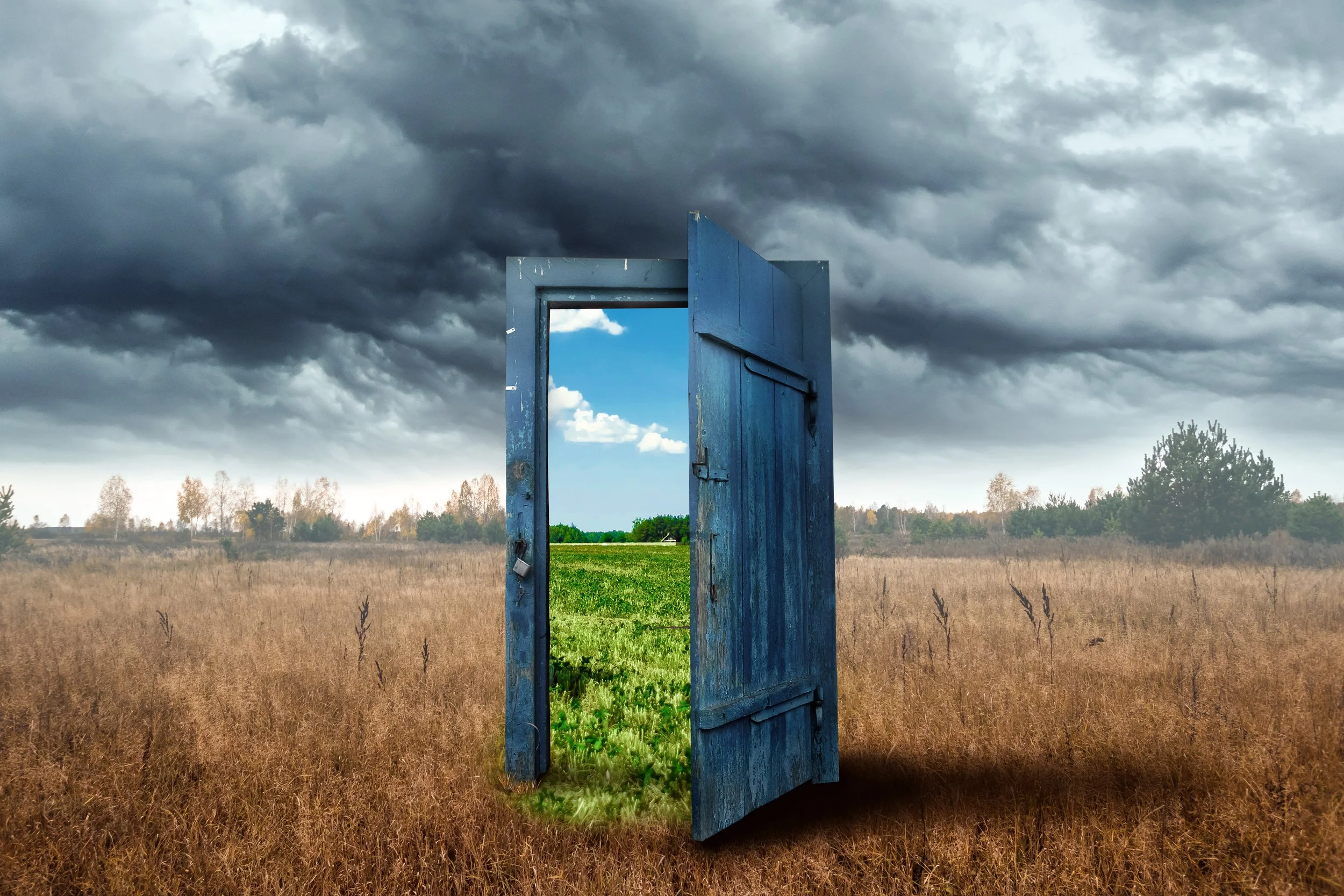
In fact, on that exact score, what say we start by admitting that while change is generally not optional, what we make of it is always a matter of choice.
To see or ignore. To adapt or defy. To embrace or reject. All valid.
All carrying implications, costs and consequences, opportunities gained and lost. Provided we’re wise enough to distinguish between what’s truly changed and what has not.
Adland, always prone to chasing the shiniest new object in the room, is demonstrably at risk when it ignores the difference.
Provably so, if you look at the logs since 2008.
In that time, we’ve become far too inclined to conflate churn with change. Forgetting that while the machines might make leaps of time, technology, and space, it’s still Human Nature 1.0.
And that’s a good thing.
Because in recognizing that, we give ourselves the ability and the freedom to address change with a modicum of common sense.
Maybe even intelligently.
Focusing our resources, finding ways that don’t just meet some meaninglessly granular metrics, but actually make a difference; seeing change for what it is and, as a result, actually being able to shape what it becomes.
All of which means, and I apologize for the hackneyed reference, we don’t have to boil the ocean — because the damned thing is way too big.
Much happier perspective, don’t you think?
And if you happen to meet my wife, you can now let her know that I’m not always stuck on the bitter boat, sailing in circles far from the dock.
Only sometimes.